
ESG Compliance and Software Solutions for Global Companies
ESG criteria (Environmental, Social, and Governance) now represent the standard for measuring corporate responsibility and long-term success. With increasing regulatory requirements, such as the EU’s Corporate Sustainability Reporting Directive (CSRD), and growing pressure from investors and stakeholders, companies are seeking effective ways to integrate ESG principles. In this process, software solutions are an indispensable ally in accelerating implementation.
Adopting ESG criteria is not just a regulatory obligation, but a strategic choice.
The focus on ESG criteria has never been higher. Companies across all sectors are being driven to demonstrate transparency, sustainability, and accountability to attract investors, comply with regulations, and win over conscious consumers.
What Are ESG Criteria?
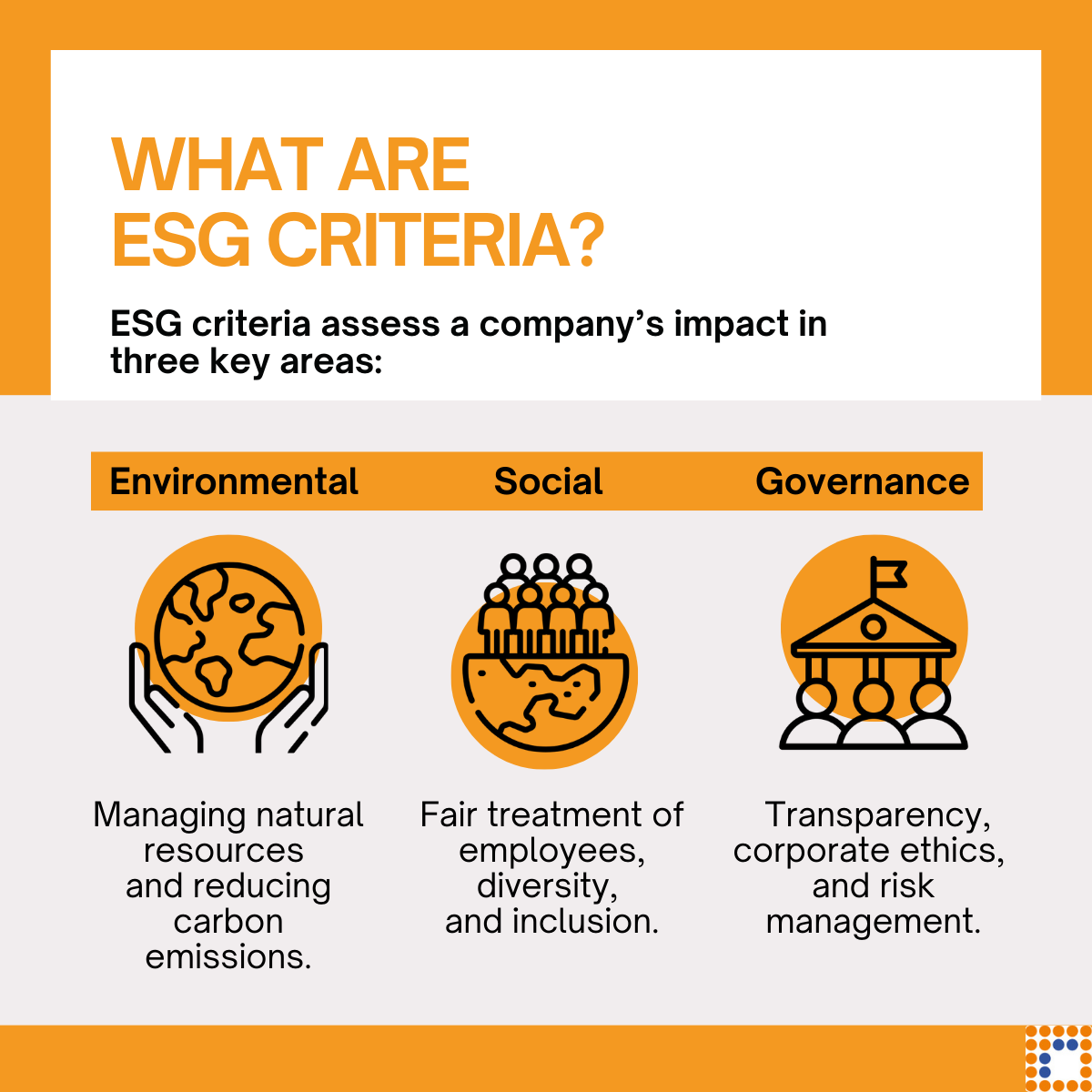
ESG criteria assess a company’s impact in three key areas:
Environmental: Managing natural resources and reducing carbon emissions.
Social: Fair treatment of employees, diversity, and inclusion.
Governance: Transparency, corporate ethics, and risk management.
ESG Reporting: Standards and Strategy
ESG reporting is essential to showcase commitment to these areas and to meet international standards, such as those imposed by the EU. It serves as a strategic tool to attract investors and enhance corporate reputation.
Did you know that ESG is a global business priority, and there are software solutions to fulfill them?
ESG Compliance: Software Solutions for Global Companies
Why Is ESG a Global Business Priority?
ESG criteria (Environmental, Social, Governance) are now fundamental to ensuring corporate sustainability, reputation, and competitiveness. Adopting an ESG strategy is crucial for:
Regulatory Compliance: Avoiding penalties and aligning with standards like GRI, CSRD, and TCFD.
Attracting Investments: Investors reward responsible and transparent companies.
Reputation Management: Consumers and partners prefer ethical and sustainable organizations.
What Are the Main Business Needs?
To integrate ESG, companies must address three key areas:
Reliable Data: Collect comprehensive ESG metrics, such as CO₂ emissions and diversity statistics.
Reporting Standards: Align with international frameworks to communicate transparent results.
Operational Integration: Embed ESG into the core business strategy.
Software as an ESG Accelerator
Tailored technological solutions simplify and optimize ESG management:
Data Management Platforms: Analyze and visualize metrics in real time.
Predictive AI: Anticipate risks and enhance ESG performance.
Blockchain: Ensure transparency and traceability throughout the supply chain.
IoT: Monitor energy consumption and reduce environmental impact.
Solutions for International Companies
We support businesses with customized tools to:
ESG Dashboards: Instant reporting and actionable insights.
System Integration: Seamless connection with existing frameworks.
Advanced Analytics: Optimize ESG strategies for tangible results.
Adopting ESG criteria is not just about regulatory compliance; it’s an opportunity to innovate, strengthen reputation, and create lasting value. At REISER, a company specialized in software development, we are ready to support these needs with tailored digital solution.